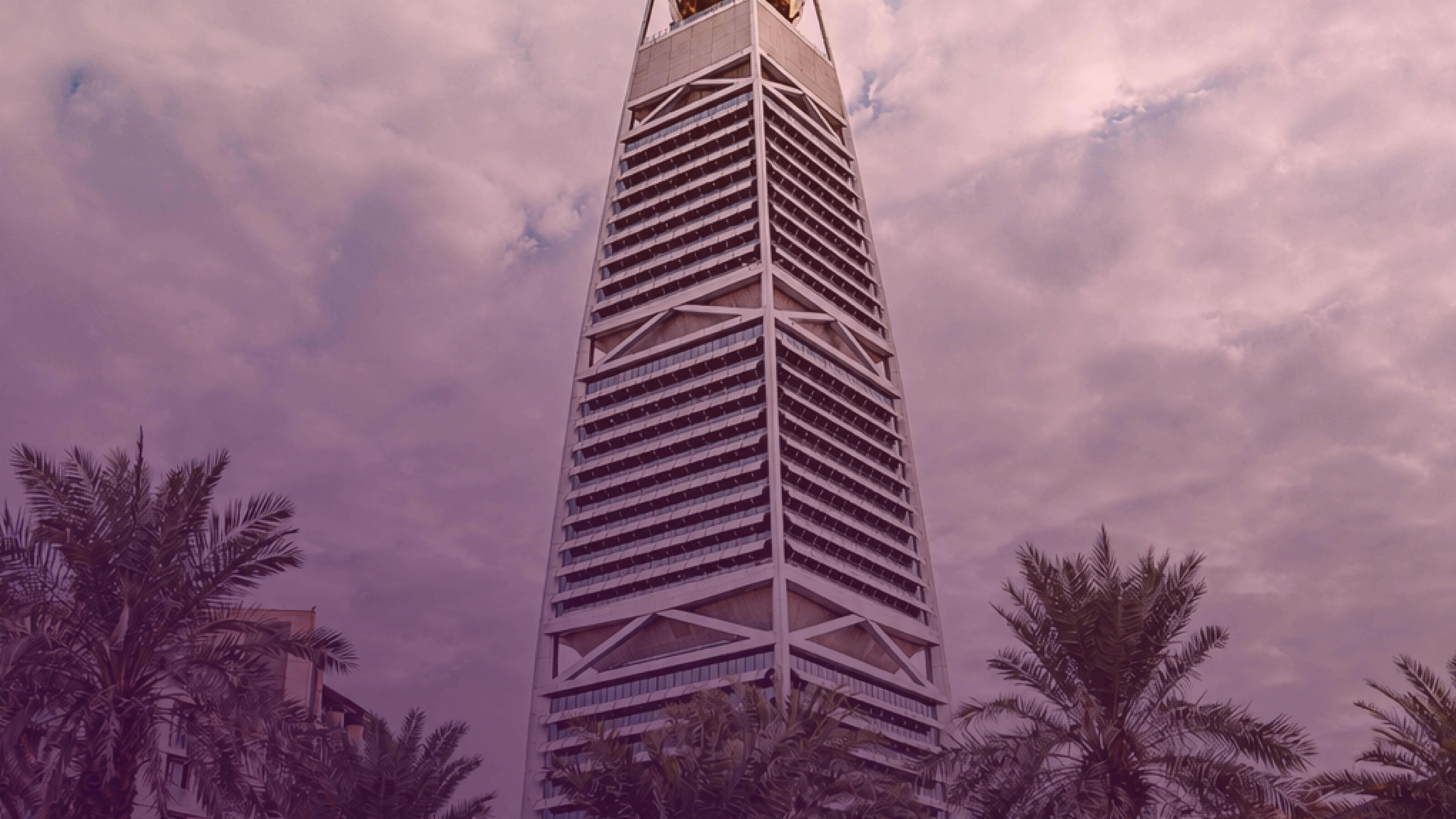
Riyadh, the innovation ecosystem transforming Saudi Arabia
Riyadh is establishing itself as one of the fastest-growing innovation ecosystems in the Middle East. Rising investment in venture capital, the development of technology infrastructure, and the adoption of artificial intelligence (AI) are strengthening the Saudi capital’s position on the global entrepreneurship map.
The transformation spans everything from AI and fintech to gaming, retail, and fashion. For startups and scaleups looking to expand internationally, this growth raises a strategic question: what opportunities does Riyadh offer companies looking to scale across MENA and from there to the world?
Why is Riyadh one of the fastest-growing innovation ecosystems?
The growth of Riyadh’s startup ecosystem is especially reflected in investment and in the creation and scaling of new companies.
According to the Riyadh Ecosystem Profile by Startup Genome, the ecosystem’s value reached $18 billion between H2 2023 and H2 2025, a 477% increase over the H2 2018 to H2 2020 period.
In Startup Genome’s ranking, Riyadh also sits between 21st and 30th place among Emerging Ecosystems worldwide, and ranks third in MENA. It also stands out for the development of its artificial intelligence ecosystem.
The evolution of venture capital in Saudi Arabia reinforces this trend. According to MAGNiTT, Saudi startups raised a record $1.72 billion across 257 deals in 2025, 145% more than the previous year. Saudi Arabia accounted for roughly 45% of venture capital invested in MENA and led the region in funding for the third consecutive year.
Fintech was one of the main drivers, with $506 million raised across 55 deals. These figures point to an ecosystem that is not only attracting more capital, but also increasing its capacity to generate and scale companies.
How much has artificial intelligence grown in Saudi Arabia?
Artificial intelligence in Saudi Arabia holds a central place in the country’s technological transformation. The Saudi Data and AI Authority (SDAIA) structures the country’s national AI development around areas such as regulation, investment, infrastructure, data, talent, research and innovation, and adoption.
This strategy aims to build not only new applications, but also the capabilities needed to develop a competitive technology ecosystem.
Adoption is already visible among users. According to Saudi Internet 2024, produced by the Communications, Space & Technology Commission (CST), 21.5% of internet users in Saudi Arabia use AI tools. Among people aged 20 to 29, that share rises to 27.3%.
The combination of capital, infrastructure, talent, and a population familiar with these technologies creates opportunities both for startups specializing in AI and for companies incorporating this technology into traditional sectors.
How is innovation transforming the Saudi fashion industry?
Innovation in Riyadh is not limited to software. Saudi Arabia is also developing specialized infrastructure to drive creative industries such as fashion.
One example is The Lab, a product development studio launched by the Fashion Commission in May 2024 in Mohammed bin Salman Nonprofit City, known as Misk City, in Riyadh. The facility gives local designers, brands, and entrepreneurs access to advanced manufacturing capabilities.
The Lab is part of the Made in Riyadh initiative, and aims to help brands turn their designs into products while developing local talent and production capabilities. It also supports educational and training programs aimed at young Saudi designers.
Its importance goes beyond fashion: it shows how building infrastructure, talent, and production capacity can be used to develop new industries and generate opportunities for companies and entrepreneurs.
What opportunities does Riyadh offer international startups?
For international startups, Riyadh’s growth means the emergence of a market with more capital, technology infrastructure, investors, and opportunities to collaborate with local companies.
Opportunities aren’t limited to AI. Fintech, gaming, fashion, retail, and other industries are part of an ecosystem that is rapidly expanding its capacity to attract investment and develop new companies.
Entering an expanding ecosystem provides access to new networks of investors, corporations, partners, and talent. However, scaling into Saudi Arabia requires understanding the market, building local relationships, and adapting the value proposition to the country’s economic and business context.
That challenge connects to one of the biggest questions in entrepreneurship today: what does a startup need to go from a local market to competing globally?
From Riyadh to the world: the next stop on the South Summit Scaleup Series
That very question will be at the center of the next stop of the South Summit Scaleup Series, which will arrive in Riyadh on October 6th.
Scaleup Series connects different innovation ecosystems to explore what companies need to scale beyond their home markets. In Riyadh, founders, investors, and other ecosystem players will address the challenges and opportunities involved in building in Saudi Arabia and growing from Riyadh into international markets.
The agenda for the Riyadh stop, in fact, includes a conversation dedicated to the creative economy, with designer Evangelina Julia, founder of fashion label Evade House, among the speakers. Another sign that, in Riyadh, fashion has become one more industry within the country’s innovation strategy.
The event is an opportunity to get a firsthand look at an ecosystem that is gaining weight on the global innovation map, and to connect with the people driving its transformation.
Register for South Summit Scaleup Series Riyadh and be part of the conversation on how to scale from Riyadh to the world.
South Summit has spent years connecting founders with investors and corporations to take on exactly this challenge. According to the South Summit Entrepreneurship Map 2025, its startups finalists have historically raised €17.651 billion, generated nine unicorns, and recorded 112 exits, with a survival rate of between 85% and 90%.
In 2024, finalists also raised more than €311 million after taking part in South Summit, 63% more than the capital they had raised before the event.
Riyadh’s rise shows how investment, institutions, infrastructure, talent, and technology adoption can transform an entrepreneurial ecosystem. For founders looking for new markets, understanding where these conditions are being created can be just as important as identifying the next big technology.